
A Review of the Interior Soul and Design of The Westie
Victorian Bones with Modern Flair
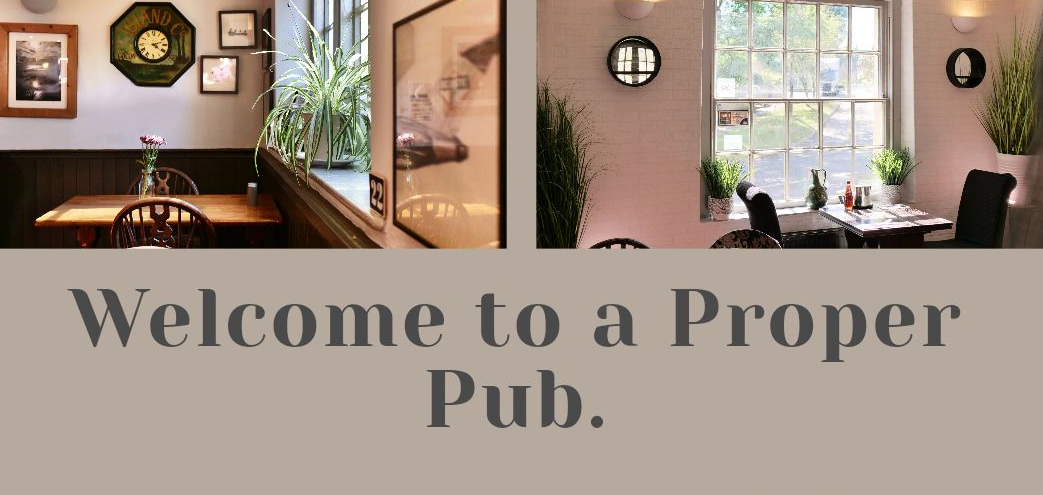
When you step into The West Hill Tavern, you are immediately struck by a sense of “architectural nostalgia.” The building itself is a classic Victorian thewesthilltavern structure, a corner pub that has stood the test of time while the city around it has modernized. However, the interior design tells a story of careful evolution rather than static history. It avoids the clinical, “sterile” trend of modern renovations, opting instead for a vibrant, eclectic aesthetic that feels like a curated collection of a life well-lived.
The design philosophy here seems to be “more is more,” but in a way that feels intentional and balanced. The high ceilings and large windows—typical of the Victorian era—allow natural light to flood the bar during the day, highlighting the rich textures of the wooden floors and the deep colors of the painted walls. As the sun sets, the space transforms into a moody, atmospheric lounge, lit by a collection of vintage lamps and the warm glow of the fireplace.
The Layout: From Snugs to Social Hubs
The layout is masterfully divided into several “titles” or zones, each offering a distinct experience within the same building. The Front Bar is the energetic core, featuring high stools and a direct view of the impressive spirit collection and beer taps. This is where the “quick pint” crowd gathers.
As you move further into the building, you find the Dining Area, which is dominated by long wooden tables designed for communal eating—a nod to the pub’s focus on the “Cosmic” pizza experience. These tables encourage large groups and shared meals, making it the perfect spot for a birthday or a family Sunday roast. Finally, there are the Snugs—the quiet, carpeted corners where the lighting is lower and the furniture is softer. These are the most coveted spots in the pub, perfect for intimate conversations or a quiet afternoon of reading with a pint of ale.
A Focus on Texture and Light
One of the most praised aspects of the interior is the use of color and texture to create “soul.” The walls are adorned with local art, vintage memorabilia, and mirrors that reflect the greenery of the plants scattered throughout the room. The fireplace is perhaps the most iconic feature, acting as a focal point that draws people in. It is framed by mismatched tiles and vintage mantels, adding to the sense of history.
It’s a design that respects the history of the building while acknowledging the modern needs of its users—like discreetly placed power outlets for afternoon workers and high-quality acoustics that manage to handle a crowded quiz night without becoming deafening. The West Hill Tavern proves that you don’t need to strip away a building’s character to make it functional for the 21st century. Instead, you can layer the new on top of the old, creating a space that feels timeless, comfortable, and uniquely Brighton.
Leave a Reply